Lotus Plumule – What It Is, Benefits, Uses, and Safety Considerations
What Is Lotus Paste and How Do You Use It in Your Business August 27, 2026 11:56 am Home What...
Read More →

What are lotus seeds is a frequent question for folks who spot them in Asian markets or herb shops and are curious. Lotus seeds are the seeds of the lotus plant that are consumed either fresh, dried, or roasted and are utilized in cuisine as well as traditional medicine. They’re used by many in soups, desserts, snacks, and teas and appear in both home cooking and packaged foods. Others appreciate them as a delicacy for their subtle flavor and tender, either chewy or crunchy texture depending on preparation. Others are more concerned about their protein, fiber, and micronutrients. In the following sections, the post covers varieties, uses, nutrition, and easy methods to incorporate lotus seeds into everyday meals.
Lotus seeds, also known as lotus nuts or makhana, are the edible seeds of the aquatic lotus plant, primarily Nelumbo nucifera. These seeds grow within circular seed pods that rest above the water’s surface and have been consumed for centuries in Asia as both a therapeutic food and in traditional medicine. With their mild flavor and versatility, lotus seeds are now appearing in snacks, desserts, and functional products globally, thanks to their rich extract of bioactive compounds.
Lotus seeds are derived from plants of the Nelumbo genus, with Nelumbo nucifera being the most common. It is native to India, China, and Southeast Asia, where it grows in shallow ponds, lakes, and swamps. It is a perennial aquatic herb, with giant round leaves that either float on the water’s surface or stand erect, and beautiful pink or white flowers that bloom above the water.
The flowers develop unique seed pods with a showerhead-like appearance, each cavity containing an individual developing seed. Farmers and wild harvesters prize the lotus not just for these seeds but for its rhizomes, commonly referred to as lotus roots, and its flowers, used fresh, dried, or in ceremonies. In many areas, lotus is today a significant crop, cultivated in controlled ponds for food processing, nutraceutical ingredients, and decorative trade.
Fresh lotus seeds are small, round and smooth and range in color from creamy white to pale brown. Each seed has a pretty hard outer coat, white or brown peel and a tiny green embryo in the middle called the lotus plumule or lotus heart.
That green germ tastes pretty bitter, so manufacturers tend to remove it when the seeds are used in sweets or mild dishes. They can be consumed fresh at harvest or more commonly dried, roasted, boiled, or milled into paste, flour, or extracts for beverages and capsules. In markets, you have the white lotus seeds, peeled and de-germed, and brown lotus seeds, which still retain the thin husk and sometimes more of a firm bite.
Their growth cycle begins when pollen is transported from flower to flower by insects or the wind, causing them to set seed. Over the course of a few months, the fertilized flower head transforms into a giant, spongy pod that extends further above the water on a strong stem, safeguarding the seeds within.
As it matures, the pod yellows and then browns and the seeds become hard and fully formed. Harvest usually takes place at this brown stage, which is when the seeds have reached maximum density and are able to store well. In warm, appropriate environments, lotus plants regenerate every year from their rhizomes, so a single pond can sustain blooms and the seed pods each year with diligent water and soil maintenance.
The xianglian lotus seeds from China are big and become soft after boiling, often used in desserts such as lotus seed paste buns or mooncakes. Ba lotus seeds, from celebrated Chinese growing regions, are preferred for soups, congee and mixed herbal dishes as they maintain integrity during cooking and offer a somewhat firmer bite.
Makhana, aka fox nuts, are a close cousin from similar aquatic plants and are consumed throughout some regions of South Asia as air-puffed, roasted treats, often spiced with salt, herbs or spices. These popped seeds are light, crisp, low-fat and all the rage as an anytime snack. Across these types, nutritional profiles share some themes: all provide carbohydrates, plant protein, and fiber, along with minerals like phosphorus and manganese and B vitamins such as thiamin, though exact levels and textures vary with variety and processing.
Lotus seeds, known for their rich history in Asian cuisine, have been uncovered in archaeological discoveries in ancient China and India, highlighting their significance as preserved staples and sacred goods. Revered across cultures, the lotus and its seeds symbolize purity and regeneration, often found adorning temple altars and in festive desserts associated with blessings for wellness and longevity. As an ingredient in traditional formulas for digestion, sleep, and heart support, lotus seeds extract has been recently studied for its potential anti-inflammatory and cardiovascular benefits, showcasing the bioactive compounds present in these seeds.
As trade routes expanded, dried lotus seeds traveled across East and Southeast Asia, becoming a convenient source of concentrated nutrition. Today, they are featured in congee, sweet soups, and snack mixes, and are often processed into powders and lotus seed extracts for nutraceuticals and functional foods. The seeds possess the remarkable ability to germinate and generate new lotus plants, completing a centuries-spanning cycle that connects cuisine, agriculture, and tradition in various cultures.
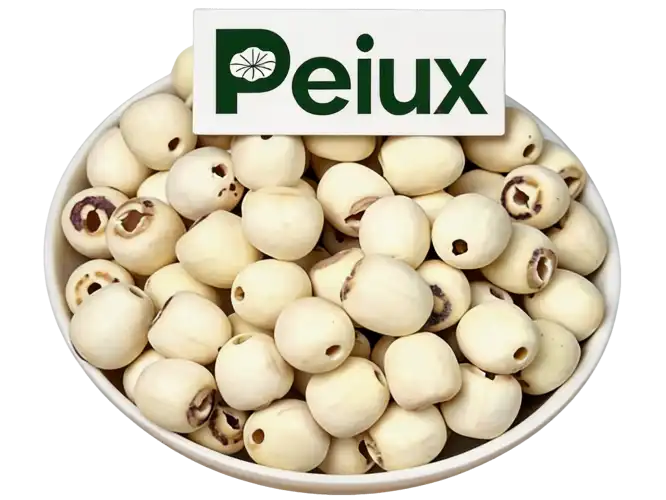
Lotus seeds offer a neat blend of energy, plant protein, and vital minerals, making them a versatile addition to casual meals and nutrition-focused regimes alike. A normal 28 g serving of fresh lotus seeds (approximately a small handful) provides around 106 kcal, about 21 g of carbohydrate, 5 g of protein, and merely about 1 g of fat. Thus, they fall somewhat between a grain and a nut in terms of how they nourish the body, showcasing their potential as a therapeutic food.
While the principal nutrients in lotus seeds are carbohydrates and protein, the quality of that protein deserves mention. They supply a number of amino acids, such as alanine, arginine, aspartic acid, and glutamic acid, which the body employs for muscle repair, immune support, and basic cell function. These fresh lotus seeds are low in fat, with about 0.1 grams of saturated fat, and contain no trans fats or cholesterol, keeping their overall fat profile quite light compared with most snack nuts.
Mineral density is another plus. Per 100 g dry seeds, values increase to approximately 438 mg potassium, 67 mg magnesium, and 200 mg phosphorus, along with good levels of iron (approximately 1 mg), zinc (0.3 mg), and copper (0.1 mg). These dietary minerals assist with nerve function, fluid balance, bone health, and red blood cell formation. Given their low fiber content, they pair better with higher-fiber foods for fuller digestive support.
Not only are they nutritionally rich, but lotus seeds also have an interesting phytochemical profile, boasting lotus seed procyanidins, neferine, and various phenolic compounds. These bioactive constituents have been associated with antioxidant and anti-inflammatory effects in cell and animal research. Enzymes such as superoxide dismutase and other antioxidant defense systems neutralize reactive oxygen species. This is one reason lotus seeds extracts are talked about as a functional food, rather than just a starch.
| Component | Approx. per 100 g | Notes |
|---|---|---|
| Energy | ~380 kcal | Dense but still moderate vs. nuts |
| Carbohydrates | ~75 g | Main energy source |
| Protein | ~18 g | With multiple amino acids |
| Total fat | ~2 g | Low; ~0.4 g saturated |
| Potassium | 438 mg | For heart and muscle |
| Magnesium | 67 mg | Nerve, muscle and bone health |
| Phosphorus | 200 mg | Bones and energy metabolism |
| Iron | 1 mg | Red blood cells |
| Procyanidins / Phenolics | – | Antioxidant, anti-inflammatory |
| Neferine | – | Investigated for tranquilizing effects |
For heart and circulation, lotus seeds bring together several useful traits: low saturated fat, zero cholesterol, and no trans fats, plus potassium and magnesium that help maintain healthy blood pressure responses. Antioxidant compounds might assist in lowering oxidative stress in blood vessels, which is one pathway associated with improved long-term cardiovascular health and more stable cholesterol profiles.
Antioxidants count for skin. Its polyphenols, flavonoids and friends help your body deal with the daily damage caused by sun, pollution, and normal metabolism. In the nutrition department, less oxidative stress over time can translate to slower collagen and elastin breakdown. That’s why lotus seeds get tossed in with skin health, fine lines and general “anti‑aging” support, even if they’re just one part of a larger diet.
Digestive and weight-related effects are more about their macronutrient pattern than fiber. Although fiber is low, the combination of slow carbs and protein, along with their inherently low glycemic index, can assist in making blood sugar spikes more gradual. Many of us get more satiated by roasted lotus seeds than the chip or sweet equivalent in calories, and that can help with appetite control and potential weight management if utilized as a snack swap.
In classic food therapies, lotus seeds frequently find their way into soothing desserts, soups, and beverages targeting restlessness. Contemporary research on neferine and related alkaloids indicates potential impact on the nervous system consistent with this history of use toward improved sleep and calm, though studies remain preliminary.
Versus typical nuts and seeds, lotus seeds shined for higher carb and protein density with far less fat. For those craving the crunch of roasted peanuts or almonds while monitoring fat, lotus seeds are a lighter alternative that still pack a punch of minerals and amino acids.
They’re naturally gluten free and sourced from an aquatic plant, rather than a tree, so they can be a convenient choice for those with celiac or wheat allergies and a whole host of people who can’t consume tree nuts. Everyone’s allergies are their own, of course, but lotus seeds are typically considered hypoallergenic compared to peanuts and tree nuts, so they frequently make the rounds in school-safe snacks or shared office snacks.
Because they’re plant‑based, they fare well in vegan diets. Typically, they’re marketed either simply dried or popped with no GMO, which speaks to non‑GMO ingredient readers. They can go from savory curries and stir‑fries to sweet porridge or snack mixes, or even plant‑based “cheese” coatings, so they’re easy to slot into varied local eating habits.
| 100 g (approx.) | Energy (kcal) | Protein (g) | Fat (g) | Carbs (g) | Notable Traits |
| Lotus seeds | ~380 | ~18 | ~2 | ~75 | Low fat, mineral rich, low GI |
| Peanuts | ~567 | ~25 | ~49 | ~16 | High fat, common allergen |
| Almonds | ~579 | ~21 | ~50 | ~22 | High vitamin E, high fat |
| Makhana (popped lotus seeds) | ~350 | ~9 | ~0.5 | ~77 | Very light, puffed variant |
Lotus seeds, often referred to as lotus nut, integrate well into a variety of dishes, from light snacks to sophisticated desserts. They are frequently paired with other consumable parts of the lotus plant, such as the rhizome, flowers, young leaves, and shoots. Asian cooks incorporate lotus seeds extracts in teas, soups, stews, sweets, and temple food, making them a health food ingredient and pantry staple.
In Chinese cuisines, lotus seeds appear in simmered soups and congee and are most famous for lotus seed paste, a silky filling found in mooncakes, steamed buns, and dim sum pastries. The paste ranges from pale and mildly sweet to darker and caramel-like and frequently accompanies salted egg yolk in festive fare. In Indian kitchens, dried lotus seeds – known as makhana – are boiled in milk to make kheer, a rice or grain pudding that includes cardamom, nuts, and sometimes saffron. In Thailand and other parts of Southeast Asia, boiled lotus seeds are added to coconut milk desserts or shaved ice treats or eaten chilled with syrup as a light, sweet snack, showcasing the versatility of lotus seed extracts in various culinary traditions.
Regular herbal teas and tonics incorporate lotus seeds with lotus flowers or stamens. In certain traditional medicine systems, they are considered a “tonic food” and are consumed to promote sleep, digestion, and overall equilibrium instead of as a potent medicine. The specific health claims differ by culture, and folks have approached the seeds as regular food with additional benefits, not unusual supplements, reflecting the growing interest in the bioactive compounds found in lotus seeds.
Lotus seeds, roots and flowers are featured in temple offerings and religious ceremonies in many Asian cultures. Roasted seeds can be placed on altars, mixed into celebratory pilafs, or passed around in communal feasts during holidays that celebrate cleansing, rebirth, or the bounty of the harvest.
Contemporary recipes tend to highlight the seeds as a convenient means of imparting crunch and subtle taste. Cooked, chilled lotus seeds function in grain bowls, green salads, and noodle salads where they behave slightly like chickpeas. They stir well into granola or muesli, particularly when lightly toasted and combined with nuts and seeds. Other wild barristas add a spoonful of boiled seeds to smoothie bowls for added body and a little protein without the flavor changing much.
Puffed lotus seeds, commonly known as makhana, have turned into a trendy snack within and outside India. When dry-roasted with a bit of oil and salt, they provide a light, crisp bite like popcorn. They can be as basic as salt and pepper or go wild with chili, cheese-style, or even cocoa and cinnamon for a lightly sweet blend. Due to that versatility, puffed lotus seeds extracts show up in snack mixes with dried fruit or in granola bars as a crispy underpinning.
Lotus seed flour or powder — dried, milled seeds — can support gluten-free baking. It mixes with other flours in pancakes, cookies, or a plain cake to enhance texture and nutrition. On the more edgy products, food makers will occasionally infuse drinks, energy bars, or pudding sauces with lotus seed extract or syrup, using the lotus label to denote a more “functional” or mindful indulgence.
Lotus seeds, particularly from the genus Nelumbo, occupy the intersection of cuisine, spirituality, and ceremony in several Asian cultures, symbolizing not just nutrition but purity and periodic rebirth.
Among Hindu, Buddhist, and more ancient Asian traditions, lotus blossoms and their seeds signify creation, enlightenment, and resilience. The plant roots in mud, shoots up through murky water, and blossoms pristine at the top. That passage is frequented as an image of the human quest from desperation or disarray to enlightenment and serenity. Ancient Egyptian, Indian, and Chinese art depict this concept repeatedly, with gods and goddesses positioned on lotus flowers and seeds strewn about as symbols of new life and order.
This connection to transformation and regeneration stretches through religious thought. In Buddhism, the lotus is a fundamental symbol of enlightenment. Lotus seeds grace meditation altars as offerings, prayer beads, and temple cuisine to inspire persistent practice on the journey to awakening. For some cultures, each seed represents a spiritual practice step or previous and future lives.
Fertility and abundance are another potent stratum of symbolism. In Hindu and folk tradition, lotus seeds appear in wedding ceremonies to endow couples with abundant progeny and a harmonious household. Families might sprinkle seeds over bridal beds, mix them into sweets or gift trays for in-laws as hushed prayers for abundance.
In ritual worship, lotus seeds are staple offerings to Lakshmi, the goddess of wealth, and Brahma, the god of creation, who are both frequently depicted holding or sitting on lotuses. Temples could set bowls of dry seeds before their images. New Year prayers, house blessings, and even some funerals use lotus seeds as symbols of good luck, safe passage, and rebirth beyond death.
Lotus seeds enjoy a firm spot in daily health in traditional medicine, too, not just in faith. Ayurveda and TCM both characterize them as calming, grounding, and good for long-term strength. Classic texts enumerate them as a heart, kidney, and spleen tonic, a food that nourishes body and spirit rather than a fast-acting remedy. The bioactive compounds found in lotus seeds contribute to their therapeutic benefits, making them a staple in various health practices.
Modern herbal practice in Asia continues to use dried seeds and extracts for a few things. TCM doctors might recommend them for light anti-depressant effects, to relax anxiety, or to enhance sleep. Others combine lotus seeds with herbs such as jujube or licorice to lower hypertension or stabilize blood sugar in diabetics, always as a component of a larger regimen, never a silver bullet. The versatility of lotus seed extract is evident in its inclusion in numerous wellness formulations.
Lotus seed extract and alkaloid extracts now show up in capsules, powders, and teas marketed as wellness items. Most of these blends have purported antioxidant and anti-inflammatory properties which correspond to ancient concepts of ‘cooling’ the body and assuaging excess heat or stress. The proof is still accumulating, and the dose tends to be more traditional than clinically rigid, with many users opting for fresh lotus seeds in their diets.
Beyond pills and tinctures, lotus seeds are baked into medicinal snacks. In China and parts of Southeast Asia, they cook them in rice congee for convalescing patients or simmered sweet soups to promote rest and nourish “essence.” In Japan, where there are more than 100 lotus cultivars and roughly a dozen are cultivated as crops, chosen strains find their way into stews, finger food, and festive spreads, connecting vitality, tradition, and flavor on one shared platter.
Processing lotus seeds, including fresh lotus seeds, covers a full chain: harvest, cleaning, drying, and cooking, plus more advanced steps like puffing, instant products, and bulk packing. Every step impacts texture, taste, shelf life, and safety, making uniform control important for home cooks and food companies alike.
Harvest begins once lotus seed pods turn brown and feel crisp and dry on the plant, indicating that the seeds inside have matured and their starch has set. Farmers typically harvest the entire pod with a small stalk and then transport it quickly to a dry location to reduce the chance of mold in wet fields.
Seeds are either pushed or cut from the pod individually, making sure not to crush the shell or the kernel for cracked seeds break later in drying and roasting. Once extracted, seeds are rinsed in clean water to scrub away bits of pod, mud, and plant fibers. Any rotten, insect-damaged, or very small seed is removed by hand or with basic grading screens. This initial size and peel-type sorting system helps make subsequent steps, such as peeling and machine drying, more consistent and efficient for large-scale processors.
Drying reduces the moisture in lotus seeds to safe levels, preventing mold during storage. On small farms, fresh lotus seeds can be sun-dried in thin layers on raised mesh trays, turned frequently to ensure even drying. Larger operations rely on hot-air dryers, similar to those used for fruits and vegetables, where heated air circulates over trays to maintain a consistent temperature and humidity, optimizing the preservation of bioactive compounds in the seeds.
Before drying, white lotus seeds require the brown peel to be removed either manually or with peeling machines. For instant lotus seed products, processors employ a pre-treatment that includes peeling and pre-drying below 50 °C until moisture levels drop to about 40 to 50 percent. This is followed by a low-temperature stage at or below 10 °C, which helps retain the kernel’s light color and minimizes flavor loss, ensuring the preservation of essential nutrients and antioxidant activity.
Good drying preserves nutrients and antioxidant activity, so growers monitor temperature and air flow, similar to hot-air or microwave-assisted drying systems for other crops. Inadequate drying causes off-flavors, surface cracks, and quick rancidity, all of which reduce shelf life and market value in retail packs and bulk export.
Dry lotus seeds are tough, so oven soak them in warm water for 1 to 2 hours to make them cook a bit more evenly and reduce boiling time. Chefs will sometimes split the seed apart just enough to extract the green lotus heart, or embryo, in the middle, as it tastes bitter and can dominate sweet dishes like desserts or milk-based soups. The process of extracting lotus seeds extract from these seeds can enhance the flavor profile of various dishes.
For boiling, soaked seeds nestle into fresh water and are simmered until tender yet intact, before transitioning into broths, congee, or sweet soups. Processing and Preparation through roasting in a dry pan or oven with moderate heat produces crunchy snacks. Some of the crispy lotus seed foods are then lightly oiled, salted, or coated with spices, similar to roasted chickpeas. Steaming is popular during seed-to-paste conversions as it retains moisture and provides a supple, mashable consistency for bun, pastry, or mooncake fillings, making it a therapeutic food option.
On an industrial scale, processors make powders for beverages and bakery mixes by drying cooked seeds, then milling and sieving to a uniform particle size. For instant lotus seeds, puffing and drying are applied to obtain products that hydrate quickly or can be consumed as convenient snacks. Air-flow puffing heats pre-dried seeds, occasionally following preheating an expansion tank to 80–95 °C, then increasing to approximately 100 °C within 15 minutes before a pressure drop causes the kernels to expand. Microwave vacuum puffing can accomplish a similar feat with less oil and shorter time, highlighting the versatility of lotus seed extracts in modern culinary applications.
Bulk B2B suppliers package dried, puffed, or powdered lotus seeds in food-grade, moisture-proof bags or drums, frequently with oxygen absorbers. They monitor water activity, inspect for extraneous material, and maintain lot traceability, similar to what they do for dry lily pieces that undergo drying and blanching. With storage in cool, dry rooms with controlled humidity, it safeguards not only whole seeds but also value-added forms that might be shipped along with other dried goods such as microwave-dried fruit. Where microwave-assisted pectinase is more associated with increasing apple juice yield, this same attention on enzyme kinetics, heat, and moisture control informs responsible lotus seed processing, too.
Your sourcing advantage with lotus seeds extract is that you can ensure a stable, clean, and fairly priced supply while your competitors flounder with inconsistency and escalating prices.
Excellent lotus seeds show in their appearance initially. When selecting batches, aim for those that are uniform in size, color, and smoothness. Seeds should be free of dark speckles, yellow footprints, or a damp smell, as these indicate possible mildew or staleness. When laid next to each other, premium seeds generally look neater in the bag, with fewer broken bits and dust, making them an ideal choice for lotus seed extracts.
Give shell status according to how you intend to use them. If you require whole roasted snackables, seek out uncracked or brittle shells. For peeled or split seeds for use in flours, beverages, or nutraceutical blends, the peel should be cleanly removed, leaving little skin and no deep cuts that alter texture. Clear specs on shell percentage and breakage rate keep disputes later at bay.
For food, beverage or supplement use, lab-tested purity is a must. Request moisture test results, since seeds that are too moist spoil quicker and can even grow mold on the trip. Seek heavy metal, pesticide residue, and microb load screens, particularly if you export or sell into strict markets. This safeguards your brand and facilitates verifiable, clean-label statements.
Suppliers ought to offer lot COAs and certificates of origin that display region and farm groups. These papers assist you in demonstrating quality to regulators, retailers, and end buyers while communicating that your sourcing advantage is factual rather than marketing.
Across the world, demand for functional foods and wellness products continues to grow, and lotus seeds are riding that wave. They complement snack mixes, instant porridges, and fortified drinks that guarantee sustained energy and gentle digestion. As more buyers look for plant-based protein and classic “superfoods,” lotus seeds transition from niche to increasingly mainstream shelves.
They match key dietary niches: vegan, gluten-free, and clean-label. One ingredient can fuel multiple claims simultaneously, reducing your demand for extended, convoluted formulas. Consider, for instance, a lotus seed protein bar or puff that is grain, nut, and soy-free and great for allergy-aware consumers.
You can expand your scope beyond raw or roasted kernels. A few companies are making lotus seed into light flours for baking mixes, instant congee, or baby foods. Some take concentrated extracts in capsules or powdered drink blends. Access to consistent, premium raw seeds becomes a sourcing advantage in these scenarios because it allows you to try out new formats quickly and get to market before competitors do.
To maintain that edge, monitor consumer response and search trends. Employ simple data tools or sophisticated supply chain software to know which flavors, pack sizes or claims are most effective and modify orders with growers. A solid network of trusted vendors allows you to scale or switch product varieties without extended lead times, which is crucial when demand surges with new diets, holidays or online hype.
Lotus seeds add genuine worth to a larder and a dish. They deliver plant protein, slow carbs, and essential minerals in a single little nibble. They eat them as a regular part of meals, not as occasional treats. Roasted seeds instead of chips. Soft seeds pair well in soups, curries, and sweet desserts.
They have deep roots in many culinary traditions. That combination of health, flavor, and narrative gives them a definite advantage against a lot of flavorless snacks. With a bit of responsible sourcing and clean prep, they map right into home kitchens and food brands.
As a next step, try a little batch. Bump them in a snack mix or dessert or soup. See what works for you.
Lotus seeds, found within the lotus pod, can be consumed raw, dried, or roasted, and are a significant ingredient in Asian cooking and traditional health circles due to their rich extract of bioactive compounds.
Lotus seeds are nutrient-dense, providing plant protein, complex carbs, and essential dietary minerals like magnesium and potassium. Their low fat content and gluten-free nature make fresh lotus seeds ideal for any balanced diet.
Lotus seeds, known for their versatility, are used in sweet and savory dishes. You can roast fresh lotus seeds as a snack, simmer them in soups, or incorporate them into curries and desserts. Additionally, they are often ground into flour or paste for baking and confectionery, showcasing their rich extract of bioactive compounds.
Yes. Lotus seeds, known for their bioactive compounds, are quite revered in many Asian cultures. You see fresh lotus seeds in religious offerings, festive dishes, and traditional rituals, symbolizing purity, fertility, and longevity, which enhances their desirability and value.
Once the pods are harvested, the lotus seeds are extracted, de-shelled, and frequently dried. Sometimes the green embryo in the center is removed to decrease bitterness. Depending on use, fresh lotus seeds can be roasted, puffed, or soaked and boiled to soften before cooking.
Keep dried lotus seeds in an airtight container, in a cool dry place away from sunlight. For greater longevity, some opt for refrigeration. Appropriate storage ensures that these nutritious seeds, rich in bioactive compounds, remain crunchy, flavorful, and free from moisture or insect destruction.
Seek out neat, consistent, properly dried lotus seeds – no funny smells, too many broken bits, or apparent mould. Trusted vendors include source information, processing, and quality certifications. Uniform grading and traceability support the safety and quality of your lotus seed products.
Article author: Peiux | Lotus Seeds Manufacturer
Original source: https://www.peiux.com/what-are-lotus-seeds/