Lotus Plumule – What It Is, Benefits, Uses, and Safety Considerations
A Business Guide to the Types of Lotus You Can Grow and Sell August 28, 2026 2:18 pm Home What...
Read More →

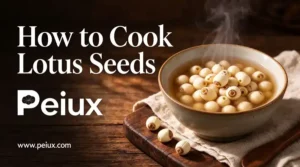
Lotus seed soup is a delicate, slightly sweet soup consisting of dried or fresh lotus seeds boiled in water, frequently combined with rock sugar and occasionally with additional components such as goji berries, red dates, or longan. It is often served in East and Southeast Asian countries as a dessert or healthy snack, both warm and chilled. It is a staple of home cooking, street stalls, and holiday meals, particularly during festivals and family get-togethers. Some remain very barebones with just seeds and sugar, while others introduce beans or grains for more texture. To bring it into focus, the following passages describe its flavor, popular adaptations, nutritional value, and place in the diet.
Table of Contents
ToggleLotus seed soup is a traditional Chinese sweet soup, prepared from dried or fresh lotus seeds, water, and sugar, sometimes with a light rock sugar syrup base. This nourishing soup presents itself throughout Asia as a soft, lightly sweet dish, usually enjoyed at the conclusion of a meal or as an afternoon snack. The recipe is inherently vegan and gluten-free when prepared simply, making it suitable for various diets with minimal adjustments. For many Chinese families, it’s not just food but a folk cure associated with TCM notions of balance and tranquility.
Lotus seed soup, a traditional recipe, originated from ancient Chinese chefs who blurred the lines between food and medicine. The seeds from the lotus plant have been utilized in cooking and herbal medicine for thousands of years, particularly in southern and eastern China. These seeds, known for their nourishing undertones, are not only pleasant for the body but are also appropriate for frequent consumption. Their organic inclusion in daily staples, such as this lotus root soup, highlights their significance in Asian cuisines.
The lotus flower is a symbol of purity in East Asia, growing up through mud and blooming unsoiled. Its seeds translate that symbolism into cuisine. Lotus seed soup can symbolize purity of mind and stable, long life, so it frequently shows up at birthdays, weddings, and other milestones. During family get-togethers, a steaming pot of lotus seed soup on the table can be a sign of love for the older generation as well as the younger one, as the consistency is gentle and effortless to consume.
In Vietnam, this comforting dish is known as chè hạt sen long nhãn, where lotus seeds are paired with dried longans in a clear, light syrup. This variant is a popular choice at street stalls and homes, especially enjoyed chilled during the summer. The enduring presence of lotus seed soup in contemporary Chinese and Vietnamese cuisine, whether in home cooking or banquet menus, emphasizes its role as a beloved staple rather than a rare delicacy.
In everyday cooking, lotus root soup serves as more than just a dessert. In many Asian cuisines, it comes as a delicately spiced first course or accompaniment to a grand Asian-inspired feast, nestled between rice, stir-fried vegetables, and steamed fish. Since the base is mild, it doesn’t compete with other courses and can balance a meal without being heavy.
Lotus seeds are used by cooks in both sweet and savory lotus root soup recipes. On the sweeter end of the spectrum, some may keep it very simple with just lotus seeds, water, and sugar, while others may add longans, sweet potatoes, or hulled barley for more bite. On the savory side, you’ll often find lotus seeds simmered with pork ribs, dried octopus, or chicken, where the seeds behave a bit like beans or little chestnuts, soaking up broth while maintaining a resilient, creamy core.
Lotus seeds are delicately flavored, somewhat nutty and starchy, so they combine nicely with other mild ingredients. Sweeter, dessert kinds add red dates, goji berries and snow fungus and sometimes pandan leaves for a gentle flowery fragrance. Due to this neutral base, individuals can interchange various sweeteners like white sugar, rock sugar or honey without affecting the essence of the dish too drastically.
Lotus root soup is suited to different seasons. Hot in winter, it is considered warming and soothing, particularly in much of East Asia where the belief in “warming” foods is strong. Served chilled, it transforms into a sought-after summer dessert, particularly the Vietnamese chè variation served in tall glasses with ice, making it a versatile dish for all occasions.
Practically speaking, the soup is easy to prepare. It’s one of those things that you can whip up on the stove top in 30 to 60 minutes, depending on how dry the seeds are and if you pre-soak them. If you have a pressure cooker, the cooking time can reduce to about 15 to 20 minutes. Chefs can alter the consistency from ultra-clear and brothy to thick and slightly creamy by varying water and time spent simmering. Recipes differ in what they choose to highlight; some focus on pure lotus seed flavor, while others lean on longans, sweet potatoes, or barley to create more layers in each spoonful.
Most yogis swear by lotus seeds for their health benefits, as they’re rich in potassium and vitamin B1, yet low in potentially harmful compounds like copper and vitamin A. This impression bolsters the soup’s function as comfort food and a nourishing dish in the traditional mindset, even if modern readers are more inclined to appreciate it as a humble, plant-based choice in a diverse diet.
Lotus seed soup seems simple. Each ingredient has a distinct role and alters the flavor, texture, and nutrition of the bowl.
Good water, like filtered water, often lends a fresher taste. Fresh, whole ingredients maintain their shape for longer simmering periods, which is important if you leave it on the stove for 1 to 2 hours or in an Instant Pot for a shorter, pressurized cook. Dried ingredients like lotus seeds and snow fungus should be soaked in cool water first so they cook evenly and do not remain tough in the center.
Goji berries, red dates, and pandan leaves are usually added towards the end of cooking. The timing is important because this keeps their color and aroma while allowing their flavor to permeate into the broth. Some versions add dried longans too, but these are typically cooked in a separate pot and then combined, so they stay plump and do not overcook while the lotus seeds soften.
Dried lotus seeds are at the heart of this lotus root soup and can be found generously stocked at Asian supermarkets and online shops that ship globally. Choosing a good supplier counts because good-quality seeds are consistent in size, pale in color, and don’t have a stale smell, which matters when you recall they’ve been used in both cuisine and herbal medicine for millennia and should taste clean, not musty or sour. Before anything, rinse the seeds under cool water to wash off dust. Then soak in lots of water for at least 8 hours or overnight, which reduces cooking time and allows them to cook through to the center without the outside breaking down in the process. After soaking, gently split open each seed and discard the thin green pith in the center. This step seems a bit slow, but if you skip it, there’s a distinct, bitter twang in the back of the soup, particularly in the lighter, dessert-style versions. You can blend peeled (white) and unpeeled (brownish) seeds in one pot for a variety of looks and textures. Peeled seeds go soft and pale, while unpeeled seeds retain a slight, nutty bite. This works well whether you cook on the stovetop or under pressure in an Instant Pot, making it a perfect starter or side for your Asian dinner.
Snow fungus, known as white fungus or tremella, comes to you as a dehydrated, withered bunch that requires a soak in icy water to spring to life. Soak until the pieces have swelled and softened into a jelly-like state, which takes about 20 to 30 minutes, changing the water if it looks murky.
Once soft, cut off the tough yellow or darker base, which remains rubbery even with prolonged cooking, and break or slice up the rest into small, bite-size pieces so that every spoonful is even. This fungus gradually thickens the broth as it simmers and imparts the soup that slick, slippery mouthfeel many seek in Chinese-style tonic desserts.
In classical Chinese medicine, snow fungus is usually associated with lung and skin health. It appears in a lot of mild, long-simmered soups intended for quiet, everyday sipping rather than grab-and-go munchies.
Rock sugar works beautifully in lotus seed soup because it imparts a rounded, mellow sweetness rather than a sharp, single-note flavor and allows the gently nutty flavor of lotus seeds, the earthiness of red dates, and the subtle herby notes from pandan or goji berries to shine through.
You can start with a small handful of rock sugar chunks per one to one and a half litres of water, then taste near the end, adding a bit more if you want a richer, dessert-style sweetness or stopping early if you are going for a more neutral, everyday soup. These big crystals melt slowly and cleanly, so the broth stays crystal clear with no sediment or cloudiness that some granulated sugars can leave behind. Remember to add rock sugar after the seeds and snow fungus have softened and you’ve reduced the heat to a gentle simmer. This minimizes scorching on the bottom of the pot and keeps the liquid luminous and clear whether you’re cooking on a gas range or toggling your Instant Pot to a low sauté setting.
Red dates (or jujubes) impart lotus seed soup with a smooth, natural sweetness and just a hint of an earthy, caramel-like depth that balances well with the lighter flavor of the seeds and the subtle floral side from pandan leaves. Rinse and then pit or slice the dates before dropping them into the pot. Cutting them open like this allows more flavor and natural sugars to escape into the broth and makes them easier to eat later.
In many Chinese traditions, red dates are associated with supporting blood and overall vitality, so they feature frequently in ‘nourishing’ soups that you sip slowly rather than as a single sitting meal. When combined with red dates and goji berries, the broth often takes on a warm amber tint and develops a thicker, fruitier base to complement add-ons such as overnight-soaked hulled barley or, in a savory, protein-rich broth, tiny pieces of chicken. For a lighter, plant-forward bowl, you can omit the meat and lean on button mushrooms or substitute those mushrooms with zucchini for a vegan, softer-textured variation that still plays nicely with the sweet dates and tender lotus seeds.
Commercial lotus root soup is all about clean flavor, stable texture, and repeatable results at scale. Kitchens might work with 5 to 20 liters of this nourishing soup at a time, so consistency, food safety, and process clarity matter more than personality.
Rinse off all dried ingredients, lotus seeds, red dates, barley and goji berries under cold running water to wash away dust and loose starch. This prevents the broth from becoming cloudy or ‘muddy’, which is key when you market the soup in transparent cups or display pots as we do.
Cold water keeps the lotus seeds firm prior to cooking, so they don’t mush during that simmer time. Drain well in a colander, shaking off excess water prior to soaking or dumping into an instant pot or stock pot. In commercial kitchens, this rinse-and-drain step is hardwired into the recipe because clean clear broth is a fundamental mark of quality.
Coring lotus seeds involves removing the slight green shoot in the center, a taste that can turn sharp and bitter after simmering. With a toothpick, skewer, or slender metal rod, shove out the pith from one end of each soaked or semi-soaked seed. Many commercial kitchens have their staff do this in small batches during the day.
Doing this prior to a long soak allows the seed to open a bit, so the water moves in uniformly and the final texture remains tender but not chalky. It’s less sharp and more round in flavor, which makes a difference when the soup is only slightly sweet and served as a dessert.
Add soaked lotus seeds, rehydrated snow fungus and pitted red dates to a pot, then cover with water by 3 to 5 centimeters for swelling. In commercial work, some kitchens use gas stovetops, while others rely on electric kettles or steam‑jacketed pots. The rule is the same: keep a gentle simmer, not a rolling boil, for about 45 to 60 minutes.
Test for texture instead of simply relying on the clock, as larger quantities can require additional time. Seeds are soft to the center, and snow fungus is slightly crunchy but yielding. Skim off foam and stray bits as they surface. This little chore keeps the broth bright and enhances shelf appeal on self-serving counters.
After the lotus seeds and fungus have been cooked, add rock sugar or honey dates and stir until dissolved. For larger batches, add sugar in increments and stir from the bottom, as sugar that hasn’t dissolved can sit and burn on direct heat.
Add goji berries and a strip of dried mandarin peel in the last 10 minutes to preserve their color and aroma. We’re going for a mild sweetness that complements the natural flavor of the seeds and dates, not overpowers it. This equilibrium is critical for reliability, particularly when the exact same item is offered at multiple locations.
Remove the final soup from high temperature and allow it to heat up to room temperature before transferring it to the refrigerator or blast chiller. This step helps control food safety and texture. Many kitchens keep a portion of the batch hot for dine-in service and chill the remainder in 200–300 ml doses for takeaway cups or buffet counters.
Serve it warm in the cooler months, or chilled as a refreshing ‘sunde dessert’ in warmer climes. Sprinkle some additional goji berries for garnish. In certain savory variants, you may use a very small pinch of chopped scallion or cilantro, but this is not typical for sweet soup and reduces shelf life.
We consider lotus root soup a nourishing dessert that fortifies the body with rich flavors on an ongoing basis, not a snack or ‘superfood’.
Ingredient | Main Energy Source | Protein (per 100 g dried) | Fiber | Notable Extras |
Lotus seeds | Complex carbs | Moderate | High | Kaempferol, vitamins A and C |
Snow fungus | Minimal carbs | Low | High | Gel-like polysaccharides |
Red dates | Natural sugars | Low | Moderate | Vitamin C, antioxidants |
Most lotus root soups are naturally vegan and gluten-free when cooked with cold water and plant-based sweeteners. This soup recipe, featuring a blend of lotus seeds, mushrooms, and jujubes, unites plant protein and fiber into one bowl, promoting cholesterol management while offering nourishing undertones and subtle flavors.
A lot of folks reach for lotus seed soup whenever their stomach is upset. Lotus seeds and snow fungus in particular are extremely forgiving on the gut.
Lotus seeds provide a good dose of fiber, which keeps bowel movement regular and can relieve mild constipation in the long run. Snow fungus retains water and creates a soft jello-like consistency, potentially coating the digestive tract lining and feeling calming if you encounter irritation or a ‘hot’ inflamed sensation.
Cooks frequently drop in mung beans if they want the soup to ‘cut heatiness’. This translates to assisting the body to cool off from issues like canker sores, acne flare-ups or a heavy, greasy tongue coating associated with slow digestion. The mung bean fiber and mild diuretic effect of the beans might aid this cleansing function.
In TCM, supporting the spleen helps the lungs, since weak spleen function causes dampness and phlegm. A warm lotus seed soup, particularly with snow fungus, is at times used to clear this dampness, which in theory can consequently relieve phlegm and promote easier breathing as digestion clears.
The soothing, balancing effect of lotus root soup arises primarily from lotus seeds and red dates (jujubes), which are used in traditional Chinese medicine to nourish the heart and calm the mind. Light insomniacs, restless and stressed types usually sip a diluted broth of the soup as a night-time tea or take a little warm bowl post-dinner in place of a heavy dessert. This naturally vegan option serves as a comforting starter or side for your Asian dinner.
The mild sweetness from red dates and rock sugar, added to the soft bite of lotus seeds and silken snow fungus, creates earthy flavors that feel healing without the sharp sugar hits that accompany so many contemporary treats. This makes it a more stable choice for when you desire something soothing but not too heavy, like a nourishing bowl of lotus root soup with red dates.
Lotus seeds are said to aid pregnancy and fetal brain development, being occasionally advised to expectant mothers who suffer from insomnia or anxiety. The concept is not that the broth acts like a sedative, but that it lightly nourishes the nervous system, provides sustained energy, and doesn’t unnecessarily stimulate the body.
A few recipes include dried mandarin peel or other herbs. They have been believed to circulate ‘stagnant’ qi, alleviate bloating, and induce relaxation in the body, particularly following a heavy or oily meal. Altogether, the warming liquid, gentle sweetness, and subtle herbal scent create an inherently wind-down vibe in lotus seed soup.
Commercial sources of lotus seed soup ingredients for buyers care about reliable quality, food safety and consistent availability. This includes clear specifications, regular testing, and tight moisture and storage control, whether you source from local wholesalers or import directly.
Aspect | What to Specify | Why It Matters |
Moisture content | Target range (e.g., ≤ 12–14%) | Lowers mold risk, limits storage pests, protects shelf life |
Foreign matter | Max % of stones, shells, stems, other debris | Reduces cleaning time, prevents complaints and safety incidents |
Defect tolerance | Limits on broken kernels, discoloration, insects | Supports consistent appearance and quality for retail or foodservice use |
Physical attributes | Color, size range, kernel integrity | Uniform ivory seeds and white fungus signal higher-grade product |
Pest and mold control | No visible mold; approved fumigation where needed | Helps avoid border rejections and sudden loss of market access |
Traceability & certification | Lot codes, HACCP, GFSI scheme where possible | Supports audits, recall readiness, and regulated import requirements |
Verify food safety certifications, packed dates and recorded drying methods, as drying method and endpoint determine storage stability and mold risk. A lot of importers request pest-control and post-drying sorting information.
In the long run, it aids in cultivating direct relationships with Asian supermarkets, Chinese medicine shops, or niche importers that already distribute lotus seeds, snow fungus, and red dates at scale. They usually comprehend moisture-based acceptance levels and can collaborate with you on defect levels, bespoke packing formats, and forward contracts to maintain a steady supply.
For big plays, gear your sourcing rules to your storage scheme. Quality is primarily guarded by low-humidity storage, pest control, and steering clear of heat or moisture swings that might induce mold, rancidity, or import non-compliance even when the stamped shelf life appears generous on paper.
Inspect dried lotus seeds and snow fungus for consistent ivory or cream coloration, free of dark spots, yellowing or mold. Aroma should be delicate and fresh. Sour, musty, or “old oil” odors indicate that it has been dried improperly or absorbed moisture in transport.
Refuse any lot with clumping, dampness, or obvious condensation inside the bag. Wet drying and storage can cause mold and border-rejected contaminants. The same applies for bugs, webs, or additional broken kernels beyond your defect allowance.
Business packaging has to have factory seals intact, fresh packing dates, batch codes, and obvious country of origin. A lot of buyers require moisture levels on the label or in the coa.
In your own storeroom, rotate stock with a rigorous first-in, first-out attitude so older bags get used before newer ones and you keep one step ahead of the effective shelf life.
Lotus seeds are typically sorted by size, color, and uniformity. Big, even kernels of similar ivory or cream hues, low insect damage, and visible mold are the key quality cues for importers and high-end kitchens.
For premium lotus seed soup, select whole, white, even seeds with minimal breakage. Smaller or more mixed grades might be okay for swirled ice cream or ground pastes. Buyers frequently establish defined limits on broken kernels and discoloration to manage appearance quality.
Snow fungus does the same. Top grade product is usually whiter, lighter, and finer in texture, with fewer dark specks and foreign matter. Lower grades can appear more yellow or brown, and they crumble more when touched.
For red dates, commercial specs can include plump, glossy fruit with uniform red-brown color, no cracks, shriveling or insect scars. Extreme dryness, stickiness or off odors indicate age or poor storage and should flunk your reception test.
To ensure the best quality for your lotus root soup, store dried lotus seeds, snow fungus, and red dates in cool, dry rooms using airtight food-safe containers. Avoid areas that fluctuate between hot and humid, as these conditions can lead to mold growth and reduce the shelf life of your ingredients. It’s essential to keep these items away from fragrant products like spices and dried fish, as they can absorb unwanted odors, affecting the flavors of your dishes.
Mark each container clearly with product details, supplier information, and purchase dates. Implementing a FIFO system ensures that older stock is used first, maintaining freshness. Regular checks on slower-moving items before they reach the end of their shelf life can help you avoid waste and keep your kitchen stocked with quality ingredients for your nourishing undertones in soups.
By following these storage guidelines, you can enjoy making a delicious vegan lotus root soup or other dishes without worrying about ingredient quality. Proper storage not only prolongs shelf life but also enhances the flavors of your culinary creations, making them a delightful addition to any meal.
Modern foodservice can exploit lotus root soup as a transparent, health-leaning dessert that still tastes homey. It lends itself to menus that straddle indulgence and wellness, as it is sweet but typically light, water or plant milk-based, and constructed around a whole food ingredient instead of heavy cream. In a lot of Asian cooking, lotus root sweet soup already functions as a light dessert or snack, and that can quite naturally migrate into hotel buffets, cafe menus, airline meals, and wellness restaurants.
Positioning begins with what the root delivers. Dried lotus seeds have roughly 62 to 68 percent carbohydrates, 16 to 21 percent protein, and only approximately 2.0 to 2.9 percent fat, so the soups can be marketed as lower fat than many dairy desserts. The starch, proteins, and polysaccharides in the seeds behave beautifully in modern processing, so chefs and product developers can play with texture without a lot of additives. In reality, this translates into a kitchen serving a transparent, brothy version with whole seeds for swallowing or a thicker version made with semi-mashed seeds, and ready-to-eat brands producing shelf-stable cups or chilled bottled versions.
For today’s diners, a vegan, gluten-free foundation is nearly a given. Lotus root soup with red dates already favors that trend when boiled with sugar in water. Foodservice could play it 100% plant-based using cane sugar or coconut sugar, plant milks, and no wheat thickeners. It taps guests steering clear of blood sugar, as recipes can reduce sugar and yet still lean on the seeds’ natural mild flavor and the prebiotic oligosaccharides that feed gut bacteria.
Lotus seeds have found their way into mooncakes, steamed buns, and other desserts for centuries. Their antioxidant, anti-inflammatory, and antidiabetic qualities now align with the appetite for functional foods and nutraceutical-style menu items. A spa café can name lotus root soup a warm, low-calorie post-yoga bowl. For a tea house, a small serving could be teamed with jasmine or a light herbal blend. Hotels can serve a chilled version with fresh cubes of mango, citrus, or jelly. They can also fold a touch of lotus seed paste into the soup for a more decadent menu course that still reads ‘clean.’
Lotus seed soup is a clean, uncomplicated dish with a long history in East and Southeast Asian cuisine. It starts with a short list of parts: lotus seeds, a light base, and a few mild add-ins. That combo provides foodservice brands a product that is scalable, ship-safe, and menu-flexible.
For buyers and chefs, the worth is in information. Lotus seeds demonstrate consistent starch, botanical protein, and important minerals. It snuggles in between dessert lines, snack menus, and better-for-you sets. A chain can offer it hot in a bowl at one location and cold in a cup at another.
For next steps, trial a small batch, monitor consumer feedback, and tweak taste, packaging, and cost.
Lotus seed soup is a nourishing Asian dessert or light soup that combines dried or fresh lotus seeds, water, and sweetener. This soup recipe is usually gently simmered until the seeds become tender, and many places serve it warm or cold, often enhanced with flavors from red dates and goji berries.
At the heart of this nourishing lotus root soup recipe are lotus seeds, water, and a sweetener like rock sugar. Other dishes may include red dates, goji berries, or dried longan for added flavors and nutrition. It’s essential to read labels, as some commercial brands might add stabilizers.
In restaurant kitchens, a flavorful lotus root soup with red dates is commonly cooked in giant steam kettles or stock pots. Soaked lotus seeds and jujubes are simmered together with cold water and sweetener in carefully timed batches, ensuring a consistent and nourishing undertone in this delicious soup recipe.
Lotus seeds, often featured in a nourishing lotus root soup, provide plant protein, fiber, and minerals like magnesium. Studies indicate possible advantages for blood sugar regulation and antioxidant assistance, making this soup recipe a delightful indulgence to enjoy in moderation.
Food companies should purchase lotus seeds from well-known producers who offer quality certificates and transparent traceability. Additionally, they might consider incorporating a lotus root soup recipe into their product line, as this dish is rich in earthy flavors and nourishing undertones, appealing to consumers interested in healthy Asian cuisines.
Yes. Vegan lotus root soup would be the perfect addition to trendy cafés, hotel buffets, and health-conscious dessert menus. You could serve it as a meatless entrée. Operators can provide low-sugar, chilled options for health-oriented and ethnically varied clientele.
Lotus seeds aren’t one of the more common allergens, making them a great ingredient for a vegan lotus root soup recipe. However, everyone is different, and most recipes are naturally gluten-free and can be dairy-free.
Article author: Peiux | Lotus Seeds Manufacturer
Original source: https://www.peiux.com/what-is-lotus-seed-soup/